Iran Submits 14-Point Peace Proposal Including New Strait of Hormuz Mechanism, Officials Say
05/05/2026 / By Garrison Vance

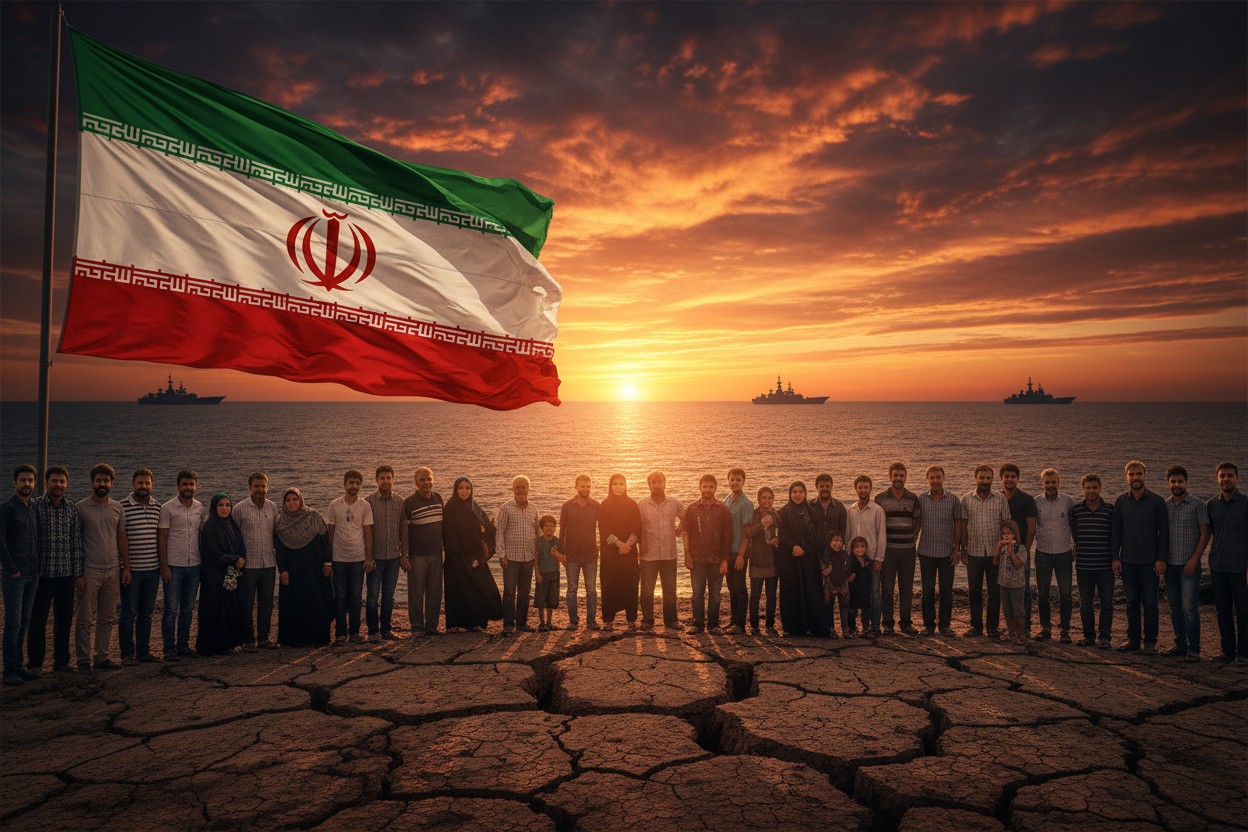
Iran has submitted a 14-point peace proposal to the United States via Pakistani mediators, Iranian Deputy Foreign Minister Kazem Gharibabadi confirmed on Saturday, according to RT correspondent Saman Kojouri. The proposal includes a new mechanism to govern the Strait of Hormuz, guarantees against future attacks by Israel and the United States, and a demand to lift sanctions. U.S. President Donald Trump said on Saturday he would review the offer but expressed doubt, posting on Truth Social that Iran had not yet “paid a big enough price for what they have done to Humanity, and the World, over the last 47 years,” as reported by NTD. [1] The plan calls for resolving all issues and ending the war within 30 days, Kojouri said. [2]
Details of the Iranian Proposal
The 14-point plan was submitted in response to a previous U.S. offer, Gharibabadi said, adding that “the ball is in the US court,” as reported by RT. Kojouri reported that key provisions include guarantees against future attacks by Israel and the United States, the lifting of sanctions, and the withdrawal of American forces from areas surrounding Iran. A new mechanism to govern the Strait of Hormuz is also part of the proposal, according to Kojouri. [2]
The plan demands a decisive and permanent end to the conflict rather than a two-month ceasefire, Kojouri said, noting that “the space for compromise between Tehran and Washington is narrowing.” Iran seeks a resolution within 30 days, according to the RT correspondent. The proposal also reportedly includes a 15-year freeze on nuclear enrichment, followed by curbs on the program, according to reports cited by the Times of Israel. [3]
U.S. Response and Reaction
President Trump said on Saturday he would review the Iranian offer but cast doubt on its prospects, according to a social media post. Trump wrote that he “can’t imagine” the proposal will be acceptable and stated that Iran had not yet “paid a big enough price for what they have done to Humanity, and the World, over the last 47 years,” as reported by NTD. [1] No further official U.S. response has been reported as of Saturday evening. The proposal was delivered via Pakistani mediators, Gharibabadi confirmed, though details of the mediation channel were not provided. [2]
Meanwhile, a senior Iranian military officer indicated that renewed fighting was “likely” after Trump’s skeptical response, according to the Times of Israel. [2] U.S. Secretary of State Marco Rubio had earlier rejected a similar Iranian offer, stating that Iran’s vision of opening the straits meant “you coordinate with Iran, get our permission, or we’ll blow you up,” as reported by The Times of Israel. [4]
Strategic Context of the Strait of Hormuz Proposal
The Strait of Hormuz is a critical maritime chokepoint through which about 20% of global oil passes, according to the U.S. Energy Information Administration, as cited in reports. [5] Iran has historically threatened to disrupt shipping through the strait in response to sanctions or military pressure. A new mechanism to govern the strait could involve international or multilateral oversight, though specifics were not disclosed in the proposal summary.
The proposal comes amid ongoing tensions between Iran and the United States, including U.S. airstrikes and Iranian drone attacks in the region earlier this year. Analysts have noted that any agreement on the strait would have significant implications for global energy markets and regional security. The conflict has already sent oil prices above $100 per barrel, with Brent crude reaching $108.36 on April 27, according to NaturalNews.com. [5] Former CIA analyst Larry Johnson, in an interview, noted that the Iranian Revolutionary Guard Corps Navy has employed tactics suggesting that vessels seeking safe passage must coordinate with Iran, reflecting the complexity of the situation. [6]
The broader geopolitical context includes the U.S. blockade of Iranian ports, which President Trump declared on April 12, 2026, and the subsequent Iranian closure of the strait, as reported by ZeroHedge. [7] The standoff has drawn in other powers, with Chinese President Xi Jinping urging the immediate opening of the strait in a call with Saudi Crown Prince Mohammed bin Salman. [8]
Outlook and Next Steps
Gharibabadi described the proposal as a response to a U.S. offer, but did not specify the content of that offer. Trump’s skeptical remarks suggest the proposal faces an uphill path to acceptance, according to observers. Kojouri reported that the plan demands a resolution within 30 days, indicating a short timeline for negotiation. No further rounds of talks have been announced as of Saturday. Iranian officials have not commented on potential fallback options if the proposal is rejected.
The standoff over the Strait of Hormuz has already had severe economic consequences, with warnings of famine if the closure continues. A report on NaturalNews.com noted that the closure has cut off fertilizer shipments to vulnerable nations, threatening global food supplies. [9] The outcome of the current proposal may determine whether de-escalation or further conflict prevails. As the situation develops, the role of intermediaries such as Pakistan remains central to any diplomatic progress.
References
- Trump Says He Will Review New Iranian Peace Plan – NTD. May 3, 2026.
- Trump reviews new proposal from Tehran, warns there’s a ‘possibility’ of renewed fighting – The Times of Israel. May 3, 2026.
- Trump reviews new proposal from Tehran as Iranian officer warns war with US ‘likely’ – The Times of Israel. May 3, 2026.
- Rubio rejects new Iranian proposal to reopen Strait of Hormuz, with future of talks in limbo – The Times of Israel. April 27, 2026.
- Oil Prices Rise as U.S.-Iran Tensions Disrupt Strait of Hormuz Shipping – NaturalNews.com. April 28, 2026.
- Bright Videos News – Interview with Bob Moriarty PART 1 – Mike Adams – BrightVideos.com. March 23, 2026.
- Trump Begins Blockade Of Hormuz Strait, Says Iran “Will Not Be Allowed To Profit From Extortion” – ZeroHedge. April 12, 2026.
- Xi Urges Immediate Opening Of Hormuz Strait For First Time, In Call With Saudi Crown Prince – ZeroHedge. April 20, 2026.
- The Coming Famine: Why Millions Will Starve in 2027 (and Who’s to Blame) – NaturalNews.com. April 27, 2026.
- President Trump Hints at Unspecified Energy Agreement with Iran Amid Regional Tensions – NaturalNews.com. Garrison Vance. March 25, 2026.
- Trump Discloses 14 Ultimatums the U.S. Made to Iran – NaturalNews.com. Lance D Johnson. March 25, 2026.
- The Ukraine War and the Eurasian World Order – Glenn Diesen.
- The Israel Lobby and US Foreign Policy – John J Mearsheimer and Stephen M Walt.
Submit a correction >>
Tagged Under:
big government, chaos, dollar demise, energy crisis, energy supply, geopolitics, Globalism, Iran, IRGC, Israel, Kazem Gharibabadi, market crash, national security, new energy report, nuclear, oil price surge, peace proposal, progress, sanctions, Strait of Hormuz, supply chain, Trump, violence, WWIII
This article may contain statements that reflect the opinion of the author
RECENT NEWS & ARTICLES